
Relaxation Techniques for Pelvic Floor Release
Pelvic floor relaxation is essential for individuals experiencing anxiety, urinary incontinence, constipation, pelvic pain, or musculoskeletal tension in the low back, hips, or pelvis. This protocol incorporates diaphragmatic breathing, progressive relaxation techniques, and visualization strategies to promote pelvic floor relaxation, reduce tension, and improve overall well-being.
1. Daily Diaphragmatic Breathing (5 Minutes Daily)
•Position: Sit or lie in a comfortable position.z
Hand Placement: One hand on the upper chest, the other on the upper belly (above the belly button).
Breathing Cycle:
Breathe normally for 3-5 inhale-exhale cycles
Exhale fully and completely before inhaling again
Allow lungs to fill from the bottom to the top
The belly should rise gently while the chest remains still
Repeat for 5 minutes
Focus on Pelvic Floor Relaxation:
As you inhale, allow the pelvic floor to expand and soften.
As you exhale, maintain relaxation—do not grip or tense the muscles.
With consistent practice, the belly and pelvic floor will loosen and expand naturally.
2. Pelvic Floor Elevator Exercise
This technique trains the pelvic floor to relax and engage progressively.
Step-by-Step Instructions:
Inhale deeply—feel the pelvic floor expand.
Gently contract the pelvic floor muscles (as if lifting an elevator from the basement to the first floor).
Relax completely, ensuring you return to the baseline (basement level).
Progress gradually: Move from the first floor to the second, then the third, fourth, and finally the fifth floor while maintaining control
Always prioritize full relaxation after each contraction before progressing.
Positions For Maximum Comfort:
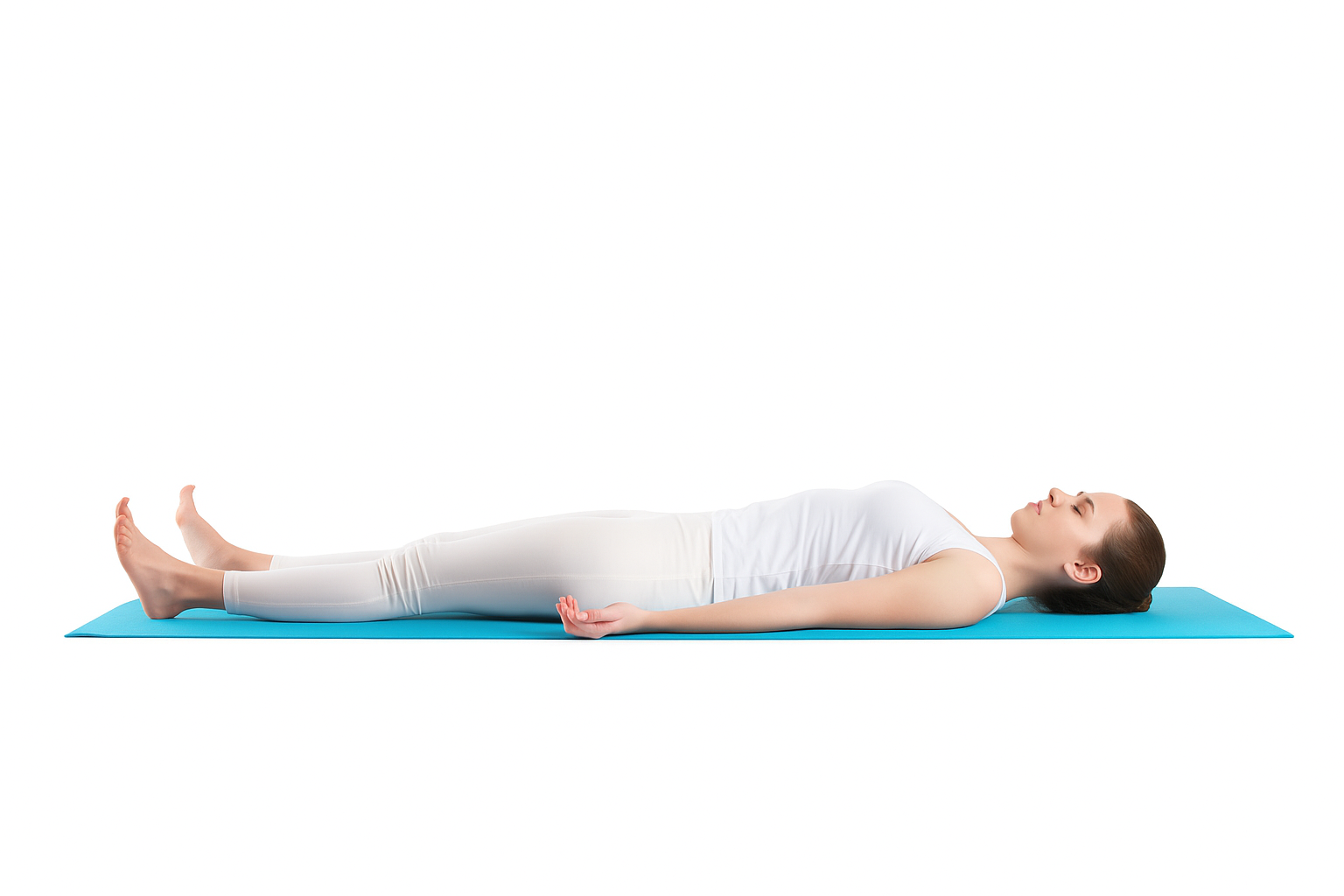
Supine (Face-up, legs straight) position
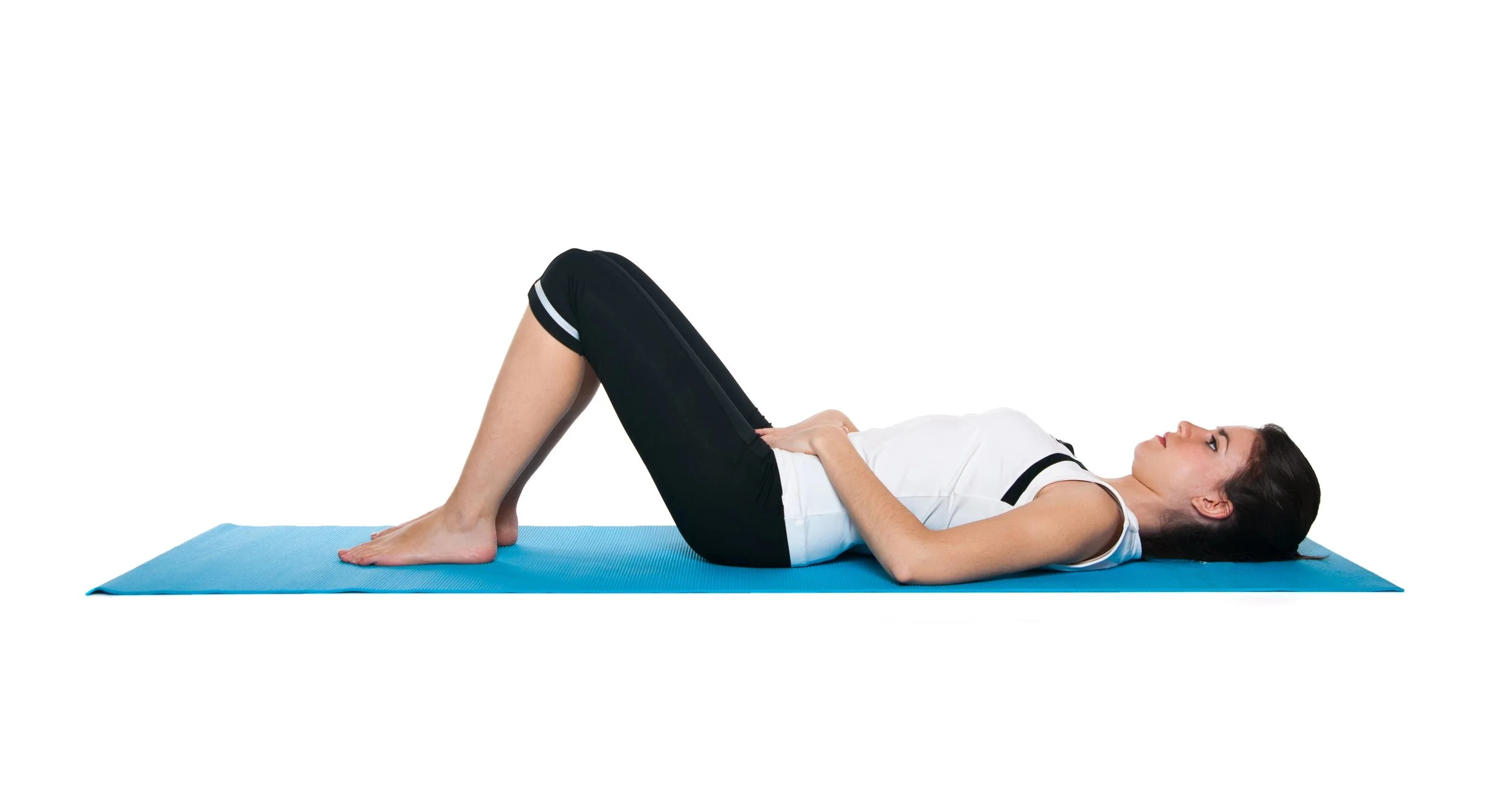
Supine hooklying (Face-up, knees, bent)
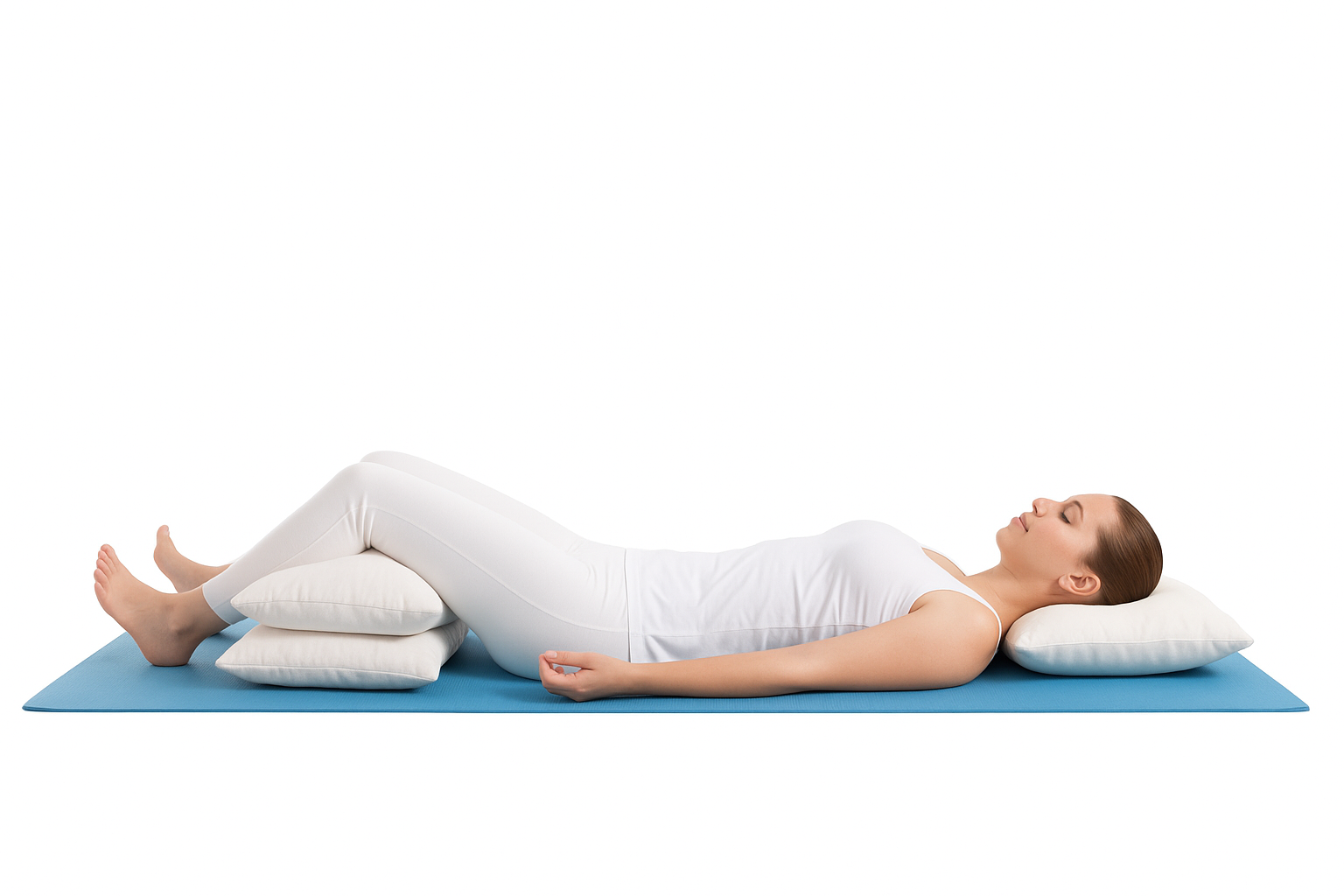
Supine with pillows under knees
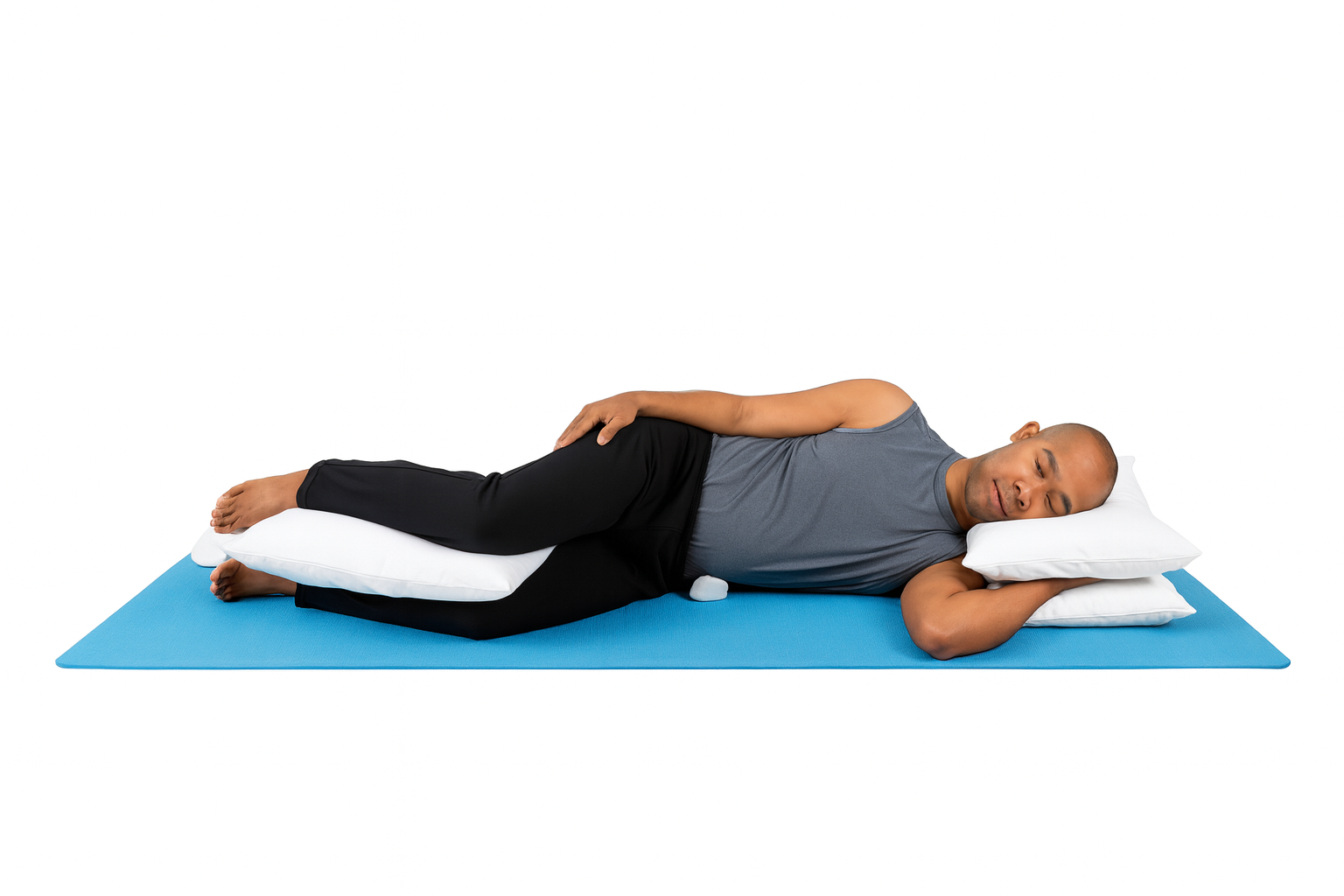
Side-lying with a pillow between knees
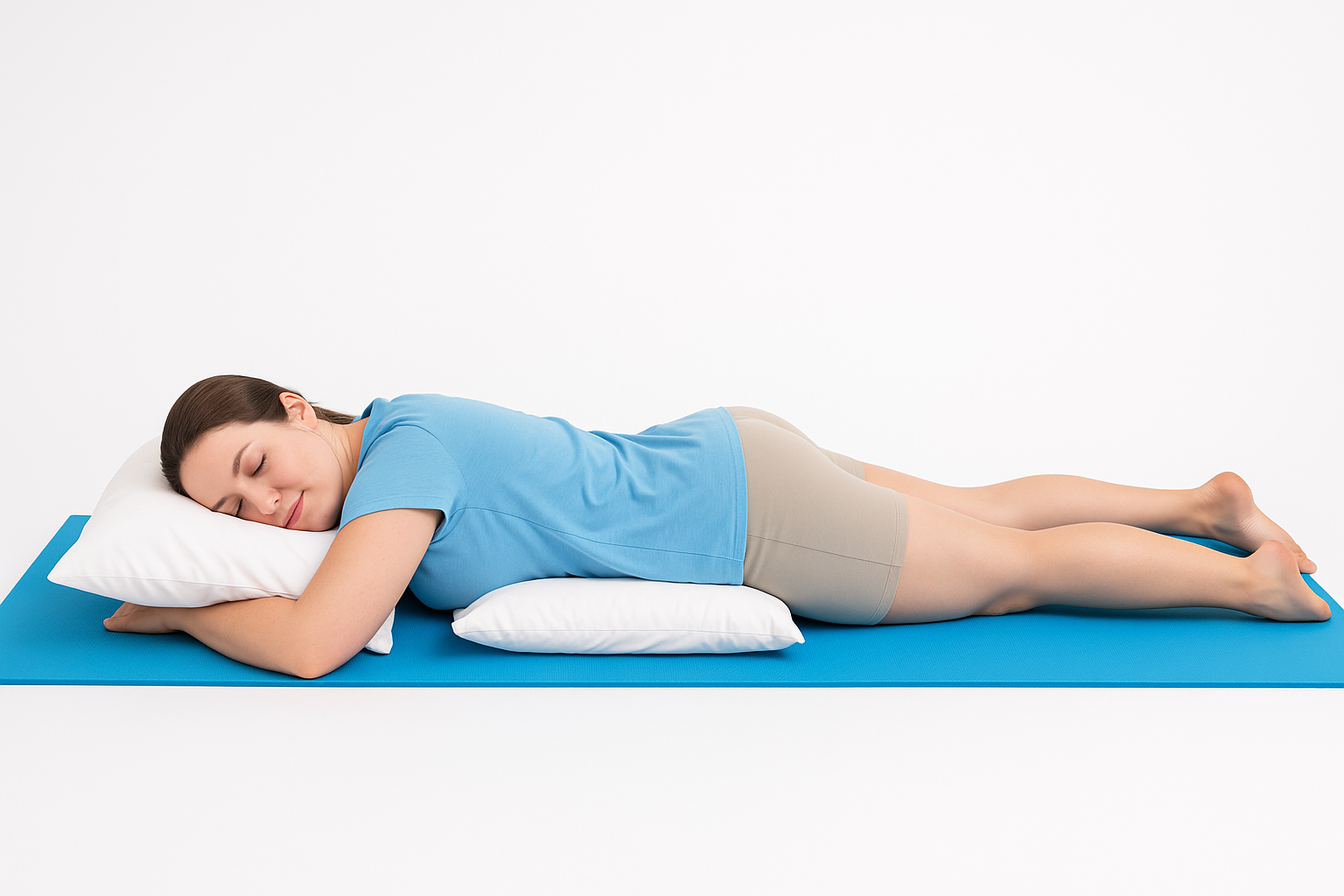
Prone Lying/Face-down with Pillows
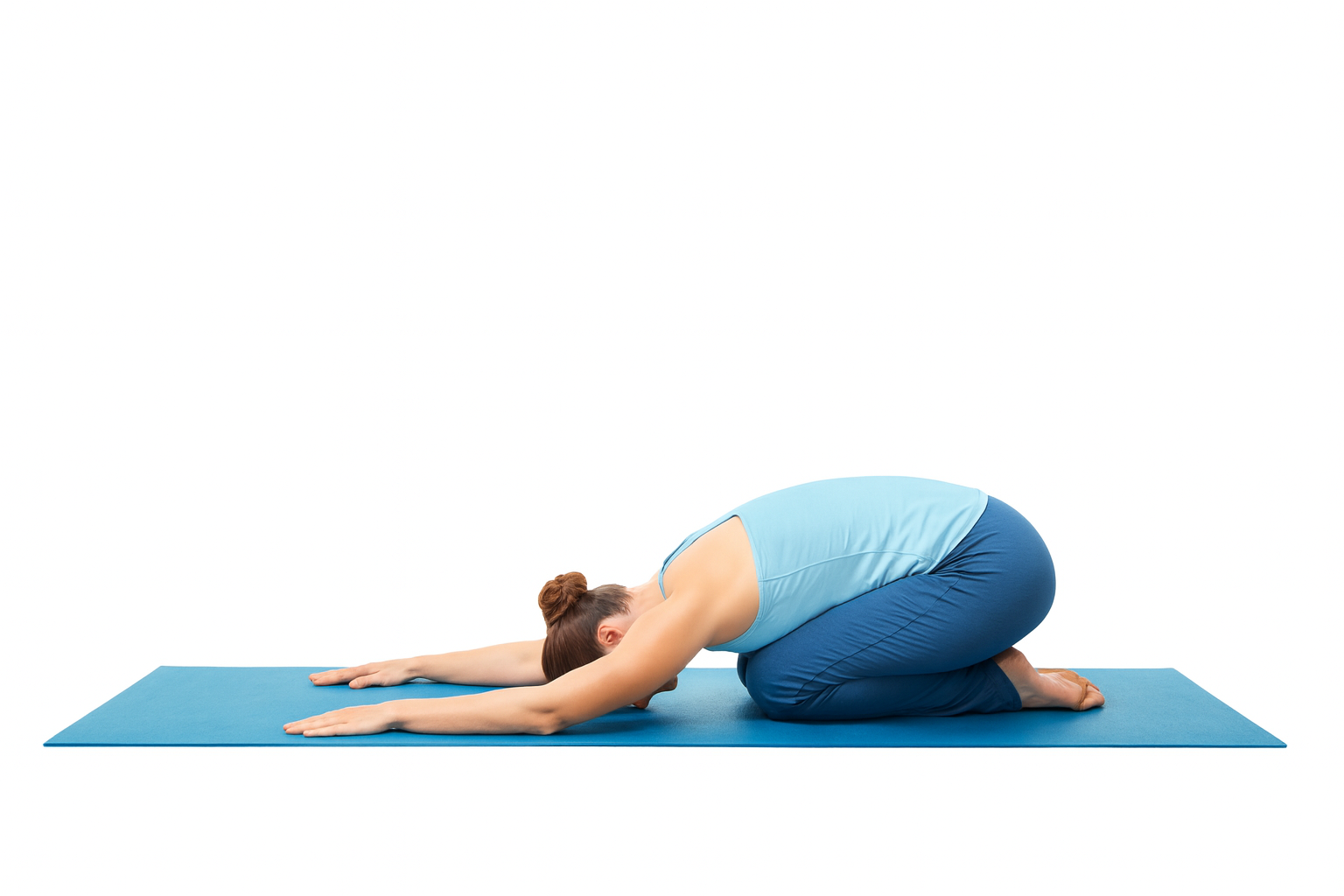
Child’s Pose
Try different positions to find what works best for relaxation.
3. Alternative Relaxation Methods:
• Horse Lips Technique – Relax the jaw, take a deep breath, and exhale forcefully, allowing lips to flap. This relaxes the entire body, including the pelvic floor.
• Visualization Method – Imagine a flower blooming in slow motion, ripples expanding in a pond, or a tunnel filled with soft light. This mental imagery promotes pelvic floor relaxation.
• Positive Affirmations – Speaking or thinking calm, kind, and encouraging words about your body and pelvic floor helps release tension and reduce stress.
By implementing daily breathing exercises, progressive pelvic floor relaxation, and alternative relaxation methods, patients can reduce muscle tension, improve pelvic floor function, and enhance overall relaxation and well-being.
**This does not constitute a corporate policy and procedure; this is intended to be a guide for best practice and does not supersede medical decision making by an authorized healthcare provider.