

The Bridge Program
From Hospital Discharge to Stability at Home
The Your Health Bridge Program provides primary care where the patient lives, physical therapy, and coordinated support following hospitalization.
Together, these services support recovery and help reduce the risk of hospital readmission.
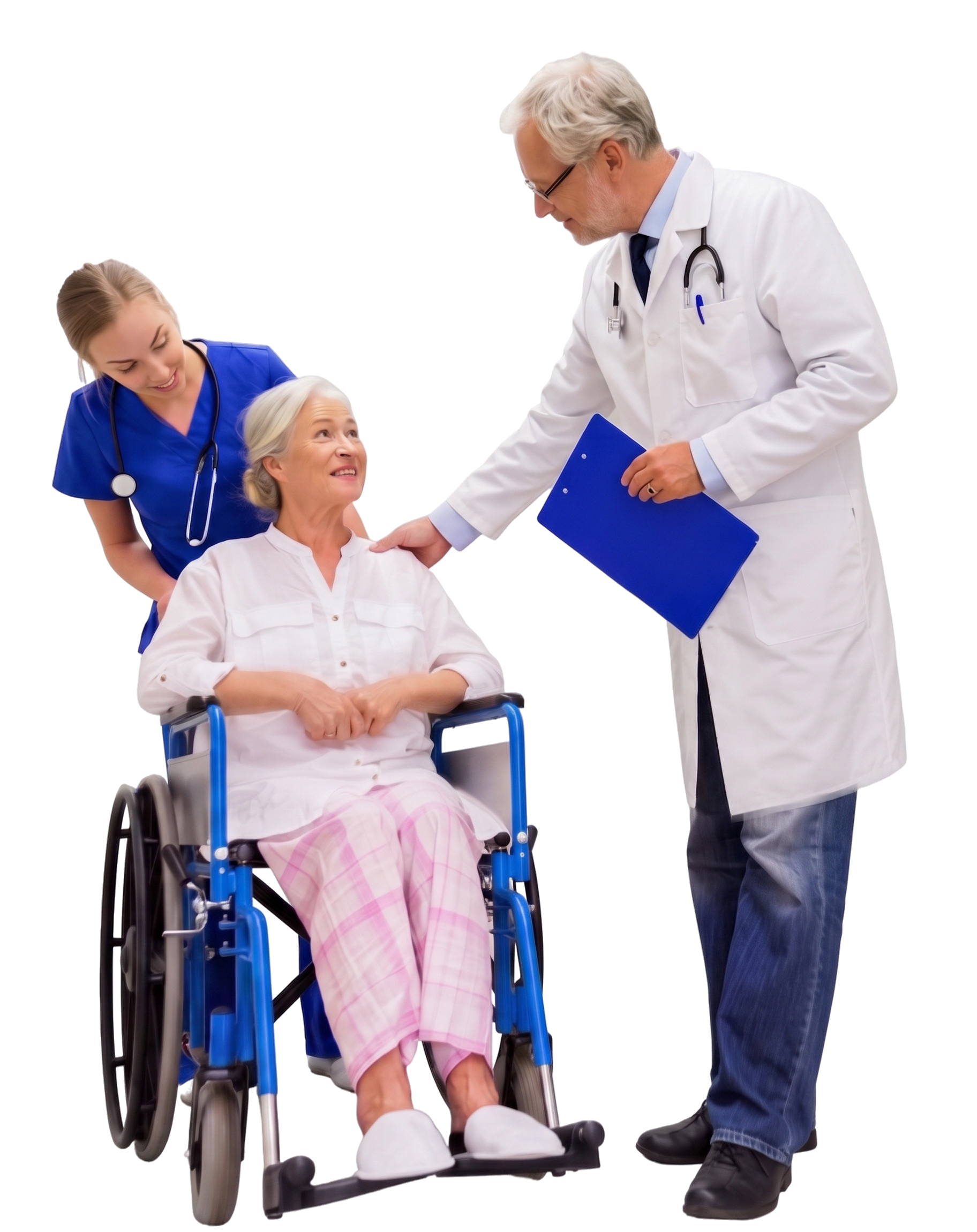

Initial Days After Discharge
The Bridge Program helps coordinate care during the critical first weeks after a patient returns home. Through Telehealth, in-home care, medication support, care coordination, specialty services, and around-the-clock triage support, the team works together to help patients recover safely at home.
An on-call triage nurse is available around the clock to help patients and caregivers respond to health concerns.

Who May Benefit From The Bridge Program?
The Bridge Program may support patients who need added guidance and coordination after leaving a healthcare setting.
This may include people who are:
Returning home after a hospital stay
Leaving a skilled nursing or rehabilitation setting
Recovering from surgery, illness, or injury
Managing several medications or health conditions
Needing follow-up with multiple providers
Unsure how to carry out their discharge plan at home
Eligibility may depend on a patient’s care needs, discharge setting, insurance coverage, and service area. Our team can help determine whether The Bridge Program may be part of their recovery plan.
Expectations and Timelines
Recovery looks different for every patient. During the first weeks after discharge, the Bridge Program coordinates timely follow-up, medication support, in-home care, and additional services based on each patient’s needs—helping create a safer path from hospital to home.
24-48 Hour Telehealth
Within 24–48 hours of discharge, a nurse practitioner or physician assistant checks the patient’s condition and immediate medication needs.
Transitional Coordination
After discharge, a Transitional Care Professional helps coordinate the patient’s transition and care.
In-Home Visit
Within two weeks, a nurse practitioner assesses the patient, reviews medications, and coordinates additional care based on individual needs.
Pharmacy Consultation
A pharmacist reviews medications, checks for interactions, simplifies complex plans, and recommends adjustments when needed.
Care Team Visits
Based on the patient’s needs, providers, visiting nurses, and community health workers coordinate support where the patient lives.
More Support for a Successful Recovery
Additional services help address clinical, emotional, and everyday needs that can impact recovery at home.
Transportation
Food and nutrition support
Housing and utility assistance
Caregiver Support
Community Resources
Durable Medical Equipment (DME)
From delivery to setup and education, we help ensure patients have the equipment and support they need at home.
Behavioral Health Support
From delivery to setup and education, we help ensure patients have the equipment and support they need at home.
Remote Patient Monitoring (RPM)
Helps the care team track key health information between visits and respond to changes sooner.
Recovering at home may involve several people and services. The Bridge Program helps keep everyone connected through one shared plan.
Your team may include providers, nurses, pharmacists, therapists, specialists, social workers, Community Health Workers, and other professionals based on your needs.
-
Connects with patients, caregivers, and the hospital team before discharge to identify needs and coordinate a safer transition home.
-
Reviews clinical needs and the discharge plan to coordinate follow-up care and prevent gaps in treatment.
-
Reviews discharge medications for interactions and complexity while helping patients and caregivers understand the plan.
-
Identifies barriers before discharge and coordinates equipment, Remote Patient Monitoring, transportation, and other resources needed for recovery at home.
-
Prepares for in-home follow-up, monitors recovery after discharge, and communicates changes to the care team.
-
Identifies emotional and behavioral health needs and connects the patient to support during transition and recovery.
-
Specialty services may include:
Cardiology • Endocrinology • Nephrology • Neurology • Palliative Care • Physical & Occupational Therapy • Pulmonary Care • Wound Care • And More.
Meet Your Bridge Care Team
Take the Next Step Home
Your hospital stay may be ending, but support for your recovery is just beginning. Connect with Your Health to learn how The Bridge Program can help guide your transition home.
Sources & References
-
Agency for Healthcare Research and Quality. Strategy 4: Care Transitions From Hospital to Home: IDEAL Discharge Planning. Accessed July 2026.
This source supports the importance of transferring clear information and involving patients and families in discharge planning.
-
Centers for Medicare & Medicaid Services. Transitional Care Management Services. Accessed July 2026.
This source supports care coordination during the first stage after discharge, including medication management, appointments, referrals, caregiver involvement, and community resources.
-
Centers for Disease Control and Prevention. Medication Safety and Your Health. Updated November 18, 2024. Accessed July 2026.
This source supports the statistic that harmful medication events cause more than 1.5 million emergency department visits in the United States each year. It also recommends following medication instructions and contacting a doctor or pharmacist when directions are unclear.